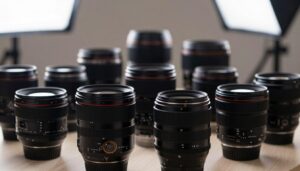
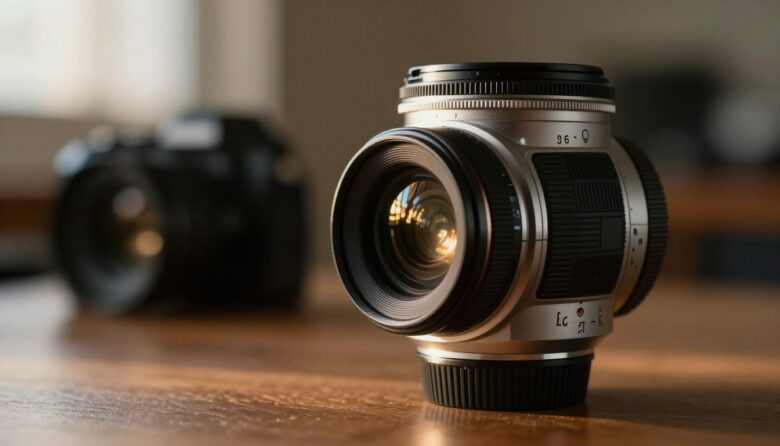
I write about gear because I care how images feel in real life. I learned early that a fast lens, like the Canon 50mm f/1.4, changes how a camera captures light and mood.
Fast optics let you shoot in dim scenes without raising ISO or slowing shutter speed. That gives cleaner images and more control over focus and depth.
Why fast lenses changed the way I shoot in low light
I still remember the first time I used a truly fast lens in a dim environment. Before that, I relied on raising ISO or slowing down my shutter, which often led to noisy or slightly blurred images. When I switched to a lens with a wider aperture, I noticed immediately how much more control I had—cleaner images, better subject separation, and more flexibility without forcing the camera beyond its limits.
That said, I’ve learned not to rely on wide apertures as a “fix” for everything. Shooting wide open looks great in the right situation, but it also demands more attention to focus and composition. In my experience, the real improvement comes from understanding when to use that extra light and when to step back for more consistency.
Using a fast lens helped me in low light, but learning when not to use it made my results more reliable.
If I had to share one practical tip, it would be this: don’t stay wide open all the time—test slightly smaller apertures like f/2 or f/2.8. You’ll often get a better balance between sharpness and depth while still benefiting from strong light performance. This simple adjustment helped me avoid missed focus and made my photos more consistent in real-world shoots.
In the end, fast lenses are powerful tools, but they work best when you combine them with careful observation and practice rather than relying on them alone.
I’ve worked with micro four thirds and full frame systems, and I’ve seen how prime glass beats many zoom options for shallow depth of field and smoother bokeh.
Today, advances in glass let photographers use exotic pieces such as f/1.0 or even the f/0.95 noct to push creative boundaries. If you want to master low-light photography, understanding these tools is a practical first step.
Key Takeaways
- I found that fast lens optics improve low-light performance and image quality.
- The Canon 50mm f/1.4 is a classic example of prime advantage over zoom.
- Micro four thirds users gain noticeable depth with the right mount and glass.
- Modern options like speedmaster f/0.95 and f/0.95 noct expand creative choices.
- Balancing focal length, weight, and aperture is key for comfortable shooting.
Understanding Lens Speed and Aperture
I want to clear up what photographers mean when they talk about lens speed. This helps you choose the right glass and set exposure with more confidence.
Defining Lens Speed
Lens speed refers to a lens’s maximum aperture diameter and the minimum f-number it can reach for a given focal length. I define it this way because the opening controls how much light hits the sensor.
Compare a prime to a common zoom like the Canon 18-55mm f/3.5-5.6 and you see the difference. A prime usually offers better light intake and more consistent speed across the frame.
The Role of F-Stops
The role of f-stops is a basic fact in photography: each stop halves or doubles the light exposure time. That means wider apertures let you keep shutter time and ISO lower.
I often use a manual focus lens wide open to control depth of field in dim scenes. Glass quality in fast lenses also affects sharpness and bokeh, from f/1.2 to exotic f/1.0 and speedmaster f/0.95.
| Type | Typical Max Aperture | Light Intake | Use Case |
|---|---|---|---|
| Standard Prime | f/1.4–f/1.8 | High | Low-light portraits, shallow depth |
| Fast Prime | f/1.0–f/1.2 | Very High | Creative isolation, film-style images |
| Kit Zoom (ex: 18-55mm) | f/3.5–f/5.6 | Moderate | Everyday use, variable focal length |
Why Prime Lenses Rule in Low Light
In low light, a prime often outperforms more complex zoom designs because it lets more light reach the sensor. I say this from experience: simpler glass paths mean less loss and more usable exposure on my camera.
Opening to f/1.2 or f/1.0 is a game changer. When I shoot dim interiors or evening street scenes, that wider opening keeps ISO down and motion blur under control.
The fixed focal length forces me to move, and that discipline improves composition. It also gives superior sharpness and contrast compared with many zooms when I push my gear.
- I use a fast lens for portraits to create a shallow depth field that makes the subject pop.
- On a micro four / four thirds body, a speedmaster f/0.95 lets me shoot near darkness without flash.
- High-quality glass plus wide apertures keeps my images crisp even when light is scarce.
It’s a simple fact: every photographer benefits from owning at least one prime. The clarity and control you gain in low-light photography are hard to match.
The Engineering Tradeoffs of Fast Optics
Making big openings work on small cameras is an exercise in compromise and craft. I often find that balancing element size and mount limits defines what a high-speed lens can do in real shooting.
Optical Design Challenges
Large glass elements help gather more light, but they add weight and size. That affects handling and the final cost on the market.
Correcting spherical aberration at maximum aperture settings like f/1.2 or f/1.0 demands complex glass groups. That is why top-tier primes can be expensive.
I use a Metabones 0.58x BMPCC speed booster to increase effective speed and shorten focal length, but it adds optical complexity and design tradeoffs.
Coatings, element count, and sensor size all matter. Designing for a micro four thirds sensor or a full frame body requires different optical strategies to keep size practical.
- I see zoom designs struggle because many elements reduce light transmission.
- Special coatings cut flare when shooting wide open.
- The speedmaster f/0.95 shows how modern engineering can still push performance despite those hurdles.
| Challenge | Impact | Typical Fix |
|---|---|---|
| Large element size | Increased weight and cost | Optimized glass layout, exotic materials |
| Spherical aberration at f/1.0–f/1.2 | Soft edges, reduced contrast | Aspheric elements, tighter tolerances |
| Design for micro four thirds | Need compact size, matched mount | Shorter back focal distance, scaled optics |
| Flare and reflections | Lost contrast in bright light | Advanced multi-coatings |
Evolution of the Fastest Aperture Lenses
The story of extreme-speed glass reads like a series of engineering dares and creative breakthroughs.
I find the history of the fastest lens work fascinating. In 1966,
“Carl Zeiss displayed the Super-Q-Gigantar 40mm f/0.33 at photokina,”
a prototype that pushed limits more than it solved practical problems.
Over the years, the idea of a fast lens shifted from museum curiosity to useful kit. By the late 20th and early 21st century, f/1.2 and f/1.0 options became realistic for many photographers.
Advances in glass manufacturing made that possible. Better element shaping, coatings, and tighter tolerances turned once-impractical concepts into usable camera tools.
I see the speedmaster f/0.95 as a milestone that ties those decades of research together. Whether you shoot on micro four thirds or full frame, modern optics make high-speed shooting more accessible.
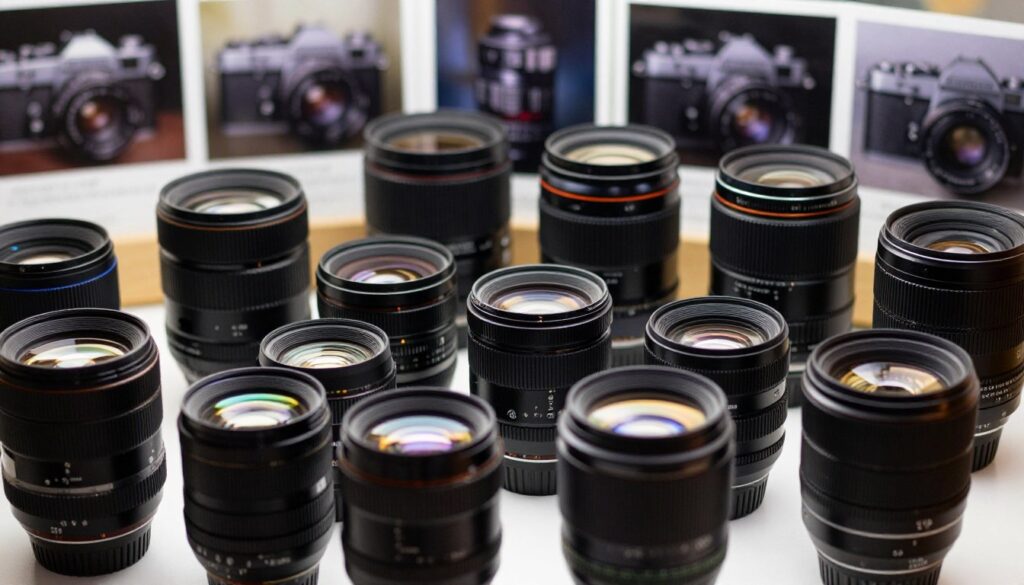
Looking back, the bold prototypes mattered because they proved what glass and design could do. My appreciation grows as each generation improves image quality and usable light for real-world photography.
Notable Ultrafast Lenses for Modern Systems
I’ve tested many high-speed glass pieces and found a handful that I reach for when light is scarce. Below I break down favorite options for three popular workflows: small-sensor mirrorless, classic full-frame rangefinder, and cinema rigs.
Micro Four Thirds Favorites
Leica Nocticron 42.5mm f/1.2 stands out for me on micro four thirds bodies. The built-in stabilization makes handheld low-light work practical.
I often use this lens when I want shallow depth and confident focus without adding weight to my kit.
Full Frame Noctilux Options
The Leica Noctilux-M 50mm f/0.95 ASPH is a classic. I value its character for portraits and moody street shots.
It renders images differently than modern autofocus glass, and that is part of its charm.
Cine Lens Alternatives
For video, cine glass changes the game. Manual focus gears and long focus throws help me pull repeatable racks and smooth pulls.
- Many mirrorless cameras today support autofocus with fast glass for stills, but cine gear keeps its edge for motion work.
- I include a Carl Zeiss piece in my kit for projects where optical performance matters most.
“Whether you shoot on modern cameras or older mounts, there’s an ultrafast option to match your style.”
Medium Format Options for Shallow Depth of Field
When I mount a medium format camera, depth and tonal gradation become more tangible in each frame.
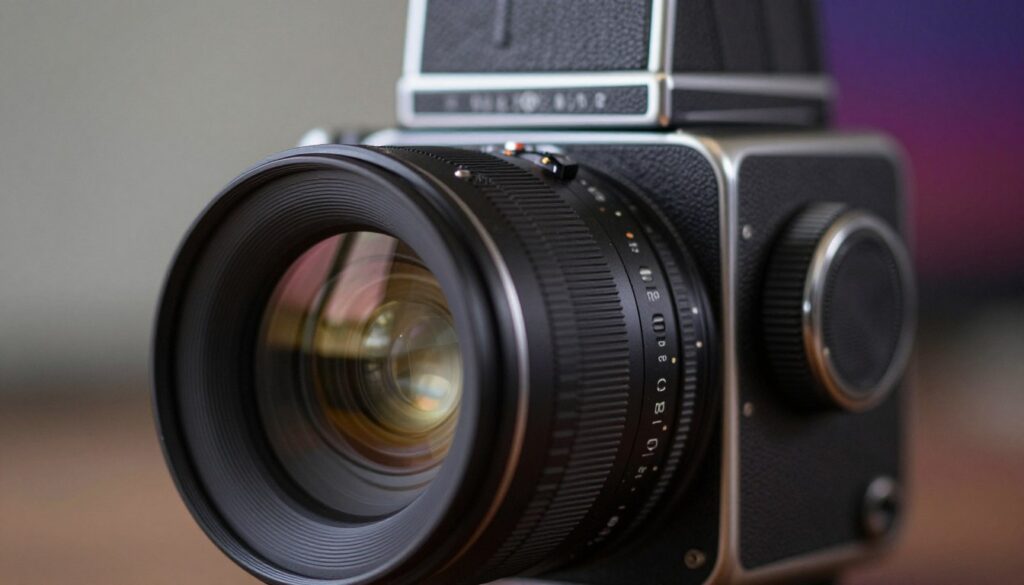
I rely on specific glass when I want extreme separation and creamy bokeh. The Pentax 105mm f/2.4 for the Pentax 67 is one of my go-to lens choices for portraits. Its shallow field and smooth out-of-focus areas feel impossible on smaller cameras.
The Mamiya 80mm f/1.9 for 645 systems still impresses me for how much light it gathers. I call it the practical fastest lens of its era because it opens doors to natural light shooting without flash.
Contax 645 glass by Carl Zeiss remains a top pick on the market today. Whether I shoot film or digital, that mount and glass combo delivers a look with notable depth and tonal nuance.
- I find medium format gives a unique depth that micro four thirds simply can’t match.
- The Pentax 105mm is a staple when I want a film-like shallow depth field.
- Shooting wide open on these cameras demands precise focus, but the results are worth the effort.
If you want a step up in image feel, try one of these classic medium format options. They change how you think about size, light, and depth when shooting wide open.
Practical Tips for Shooting Wide Open
Shooting wide open rewards patience: small shifts in focus can make or break an image.
I always advise photographers to use a tripod when working at f/1.0 or f/1.2. Stability gives you the best chance at tack-sharp focus.
When I use a manual focus lens on my mirrorless camera, I rely on focus peaking to nail the point of sharpness. It saves time and reduces wasted shots.
- Frame with a zoom, then swap to a prime to get the wide-open look.
- On micro four thirds, expect a different depth field than full frame; move to adjust composition.
- With an f/0.95 lens be mindful: the slice of focus is very thin.
Whether using autofocus or manual focus, practice is the fastest route to consistency.
| Tip | When to Use | Benefit |
|---|---|---|
| Tripod | f/1.0–f/1.2 | Sharp focus, steady exposure time |
| Focus peaking | manual focus on mirrorless | Faster accurate focus |
| Zoom then prime | Framing then final shot | Better composition with shallow depth |
Pay attention to light and your settings and you will showcase the quality of your glass with confident results.
Conclusion
Before we close, here are a few clear takeaways to guide your kit and practice.
I hope this guide helped you see why a prime lens often becomes the go-to tool for low-light work and creative depth control.
Choosing the right lens is personal. Investing in fast glass will raise the quality of your images and make shooting wide open more rewarding.
If you love the look of an f/1.0 prime, try one alongside modern options. Learn focus habits, shoot often, and refine your eye.
Thank you for reading. Experiment with different lenses and settings to develop your unique photographic voice.
FAQ
What does “fast lens” mean and why do I care?
I use “fast” to mean a lens with a very wide maximum aperture. That lets more light hit the sensor so I can shoot in low light with faster shutter speeds and lower ISO. Wide glass also gives me a shallower depth of field for subject isolation, which is handy for portraits and creative work.
How do f-stops relate to exposure and depth of field?
F-stops are the numbers that describe the size of the lens opening. Lower numbers (like f/1.2 or f/0.95) mean a larger opening, more light, and a thinner depth of field. I adjust the stop when I need to control background blur or keep a fast shutter to freeze motion.
Why are prime lenses usually better in low light than zooms?
Primes often offer wider maximum openings and simpler optical designs, which improves throughput and sharpness at wide settings. When I need the most light and best rendering wide open, a fixed focal length lens is usually the tool I reach for.
What optical tradeoffs come with very wide maximum openings?
Ultra-wide openings demand complex glass and can introduce vignetting, softness at the edges, and more chromatic aberration. Modern coatings and design reduce these, but I still stop down a bit for edge-to-edge sharpness when needed.
Have extreme low-light lenses changed over time?
Yes. Early designs were bulky and manual focus. Today, manufacturers like Leica, Canon, and Zeiss use advanced materials, autofocus, and coatings to make brighter, more usable lenses that perform better wide open than their predecessors.
Which compact systems have bright glass options I should consider?
Micro Four Thirds users can choose fast primes that balance size and light-gathering ability, while mirrorless full-frame mount systems from Sony, Nikon, and Canon offer native bright lenses and third-party options from Sigma and Samyang that deliver exceptional low-light performance.
Are there cinema lenses that give the same look as still-photography fast optics?
Cine glass is built for consistent color, smooth focus pulls, and durable gearing. If I need motion-picture control and the same shallow depth look, cinema primes from Zeiss, Cooke, or Sigma’s cinema line are great choices.
Does medium format give a shallower depth of field than full frame at the same aperture?
Yes. Because the sensor is larger, I can achieve even shallower depth of field and different rendering characteristics. Brands like Fujifilm, Hasselblad, and Pentax offer medium format options suited for portraits and studio work where background separation matters.
What practical tips help when shooting wide open?
Use single-point autofocus and eye-detection when available, keep the subject and plane of focus steady, shoot at the fastest useful shutter speed to avoid motion blur, and be ready to stop down a bit if you need more sharpness across the frame. I also watch ISO to avoid noise when I push sensitivity.
Will I always want to shoot at the widest opening possible?
Not always. Wide open gives beautiful separation but reduces depth of field and can soften edges. I balance creative intent with technical needs—sometimes stopping down to f/2.8 or f/4 gives the sharpness and consistency I need for certain images.

Noah Sterling is a prime lens photographer and visual storyteller dedicated to capturing sharp, intentional imagery through fixed focal lengths. He shares practical insights on composition, depth, and lens choice, helping photographers master simplicity and achieve powerful, professional results.