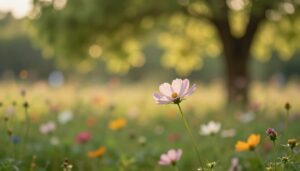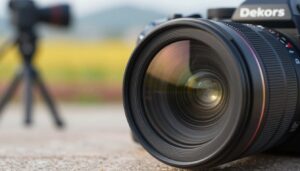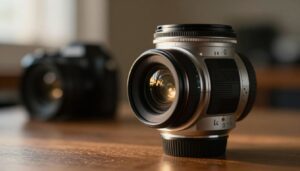
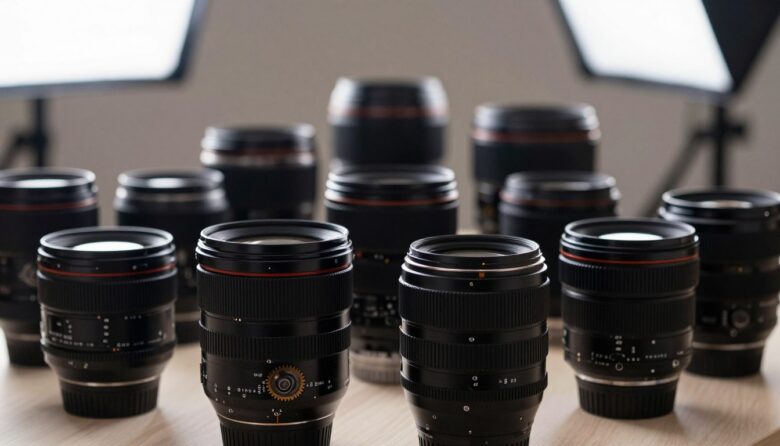
I believe choosing the right lens is essential for any photographer who wants to reveal tiny wonders. I wrote this guide to help you see how gear choices affect your shots and workflow.
What actually made a difference in my own results
I’ve tested different setups over time, and one thing became very clear to me: the specs only start to make sense when you actually use the lens in real situations. I remember buying a lens just because it had great numbers on paper, but once I went outside to shoot insects, the working distance was too short and I kept scaring them away. That experience taught me to stop focusing only on technical specs and start thinking about how I would actually use the gear.
In my opinion, there’s no “perfect” lens that works for everything. What really matters is choosing something that fits your typical scenario. If you shoot indoors, a shorter focal length might be more practical; if you shoot outdoors, distance and stabilization quickly become more important. This shift in thinking improved my results more than any upgrade I made.
I learned that better photos didn’t come from buying more gear, but from understanding how my gear behaves in the field.
If I can give one practical tip, it would be this: before buying anything, imagine a real shooting situation and how you’ll position yourself, your subject, and your light. That simple exercise can save you money and frustration, and helps you choose equipment that actually supports your workflow instead of limiting it.
I explain how a dedicated lens can turn a small subject into a striking image. You’ll learn how focal length and aperture shape bokeh, magnification, and the feel of close-up photography.
In the field, a clear camera setup matters. I cover autofocus options, manual focus ring performance, image stabilization, and working distance so you can pick the right product for portraits, insects, or textures.
My aim is simple: give practical advice that helps you capture crisp photos with confidence, whether you use mirrorless cameras or a digital camera with a telephoto or zoom lens.
Key Takeaways
- Picking the right lens affects detail, bokeh, and working distance.
- Focal length and aperture control magnification and background blur.
- Image stabilization and autofocus improve field performance.
- Manual focus ring feel matters for precise close-up photography.
- I provide clear, gear-focused tips for better photos every outing.
Understanding the World of Macro Prime Lenses
I often start by testing how close I can get and what detail the glass will reveal.
I recommend a standard macro lens for table work and tight indoor setups. It lets you make a sharp image in small spaces without awkward framing.
When I pick a product, I read the specs while picturing the shots I want. Check focal length, aperture, magnification, and the minimum focus distance so the gear fits your vision.
Fast aperture helps isolate a subject from a busy background. I also look for reliable autofocus and good image stabilization to track moving subjects and cut camera shake.
| Feature | Benefit | Recommended Use | Example Spec |
|---|---|---|---|
| Focal length | Controls field of view and working distance | Tabletop still life, portraits | 50mm–100mm |
| Aperture | Background separation and low-light performance | Isolated subject shots | f/2.8 |
| Magnification & distance | True close-up size and comfort while shooting | Insects, textures, small products | 1:1, 0.5–1 ft |
| Autofocus & stabilization | Faster capture and reduced blur | Handheld telephoto and moving subjects | Macro USM, image stabilization |
Practical tip: imagine your subject and working distance before buying. That step saves time and improves field performance with your camera.
Why Choose a Prime Lens for Close-Up Photography
When I want simple, reliable results up close, I reach for a fixed focal-length option. A single-length lens removes one variable from the shoot, so I can focus on composition and lighting.
The Benefits of Fixed Focal Lengths
Sharper images: I find a dedicated macro lens gives cleaner detail than many zooms. That clarity helps when I crop tight or need accurate texture.
Better magnification and working distance: A focused design often lets you get true 1:1 magnification and stay a comfortable distance from the subject. That matters for insects and delicate portraits alike.
Lightweight and predictable handling: A prime lens is usually lighter. I hold the camera steadier, which improves handheld performance and reduces reliance on stabilization.
- I use the aperture on a fixed lens to shape background blur and highlight the subject.
- The focus ring and simple feature set speed up my workflow on location.
- Autofocus performance tends to be faster and more consistent with well-engineered versions of these lenses.
Evaluating Minimum Object Distance and Magnification
I check how close a lens will let me get and how that affects detail in the frame.
Minimum object distance sets the practical limit for how large a subject appears in the image. A shorter distance lets you fill the frame but can crowd the subject and cast shadows.
Achieving True Life Size Reproduction
1:1 magnification means the subject is recorded at life size on the sensor. That level of magnification is a standard for serious close-up photography and ensures fine detail when you crop.
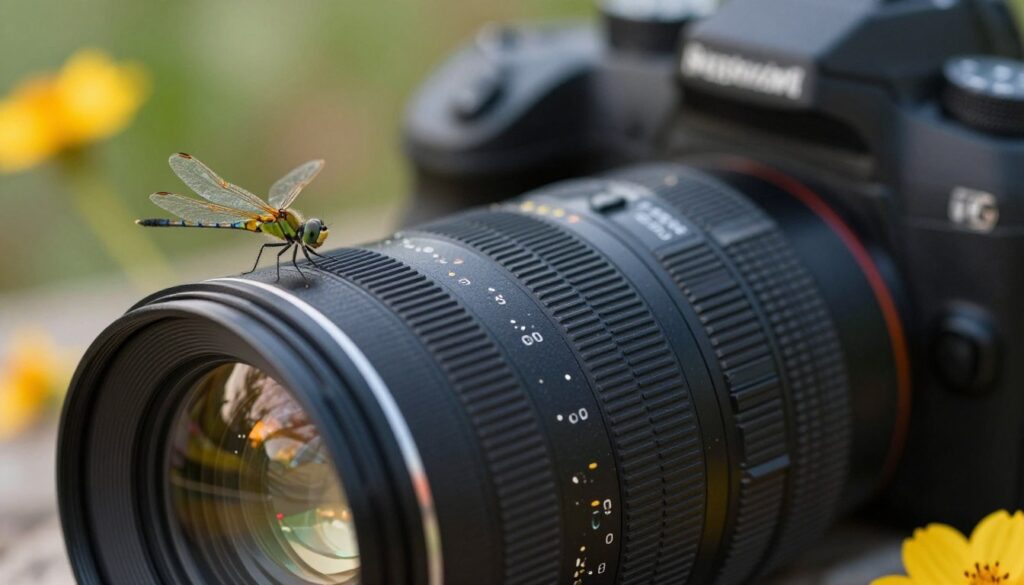
I look for lenses that offer true 1:1. For field work, a telephoto option near 90 mm helps me get detail without frightening insects or flowers.
Working Distance Explained
Working distance is the space between the front element and your subject. It matters for lighting, safety, and comfort when shooting portraits or tiny creatures.
- I always check minimum object distance; a 90 mm telephoto macro lens is ideal for insects because it keeps me farther from the subject.
- Lens focal length affects magnification and working distance; longer focal length often gives more space to work.
- The Canon 100 remains a go-to for many photographers who need reliable performance and a comfortable working distance.
| Metric | What it Means | Practical Tip |
|---|---|---|
| Minimum object distance | Closest focus point from front element | Choose shorter for tight studio shots, longer for insects |
| Magnification (1:1) | Subject size on sensor equals real size | Use for texture, product, and detailed nature images |
| Focal length | Determines field of view and working distance | 90 mm telephoto balances reach and handling for field work |
| Working distance | Space for lighting and subject comfort | Prioritize for live subjects; avoids disturbance |
The Importance of Aperture and Bokeh
Choosing the right aperture changes how a close-up image feels and how much of the scene stays sharp.
I prioritize a lens with a maximum aperture of F2.8 because it gives me creamy bokeh that isolates the subject. Small glass with a low f-number also gathers more light, so I can keep shutter speed up in shade or indoors.
The aperture setting on your macro lens controls depth of field. At wide openings you get a soft background and strong subject separation. Stopping down increases depth of field and shows more texture and magnification detail.
I use a fast version when I shoot portraits or moving subjects. A lens that pairs well with image stabilization and reliable autofocus helps me nail focus, even with narrow focus planes.
- F2.8 macro helps create pleasing bokeh and versatile low-light performance.
- Adjust aperture to change the look of an image across different distances and lighting.
| Feature | Benefit | When I Use It |
|---|---|---|
| Aperture (f/2.8) | Large bokeh, low-light advantage | Portraits, shallow DOF shots |
| Aperture (f/8–f/11) | Greater depth, sharp textures | Product and flat lay photography |
| Autofocus + stabilization | Consistent focus with less blur | Handheld close work and live subjects |
Assessing Autofocus Performance and Manual Focus Control
My first priority is to verify that the focus system can hit the target cleanly and repeatably. I test how quickly a lens locks onto a small subject in natural light and under studio strobes.
Autofocus matters when I shoot handheld or track moving bugs and flowers. On modern mirrorless cameras, quick and accurate AF can make the difference between a keeper and a missed frame.
I also switch to manual focus. The feel of the focus ring tells me if I can make precise tweaks for shallow depth and high magnification work. A smooth ring and predictable throw help me nail focus on delicate portraits and tiny textures.
- I always test AF speed and accuracy on both a tripod and handheld.
- The ability to toggle between autofocus and manual focus is essential for flexible shooting.
- Check how AF performs with image stabilization engaged, especially at close working distance.
| Test | What I look for | Why it matters |
|---|---|---|
| Autofocus speed | Lock time on small subjects | Prevents missed shots with moving subjects |
| Autofocus accuracy | Consistent center and edge focus | Ensures sharp final image without heavy cropping |
| Manual focus feel | Focus ring smoothness and throw | Gives precise control for shallow depth |
| AF/MF switch | Easy, reliable switching | Speeds workflow between tripod and handheld |
Portability and Build Quality Considerations
I look for gear that stays light on my shoulder so long shoots don’t wear me out.
Compact and sturdy design matters when I move between locations. A small, well-built lens reduces fatigue and keeps my setup balanced on mirrorless cameras.
I prefer a version that pairs solid build with manageable weight. That way I can shoot longer without swapping gear or straining my neck and shoulders.
Weight and Handling for Long Shoots
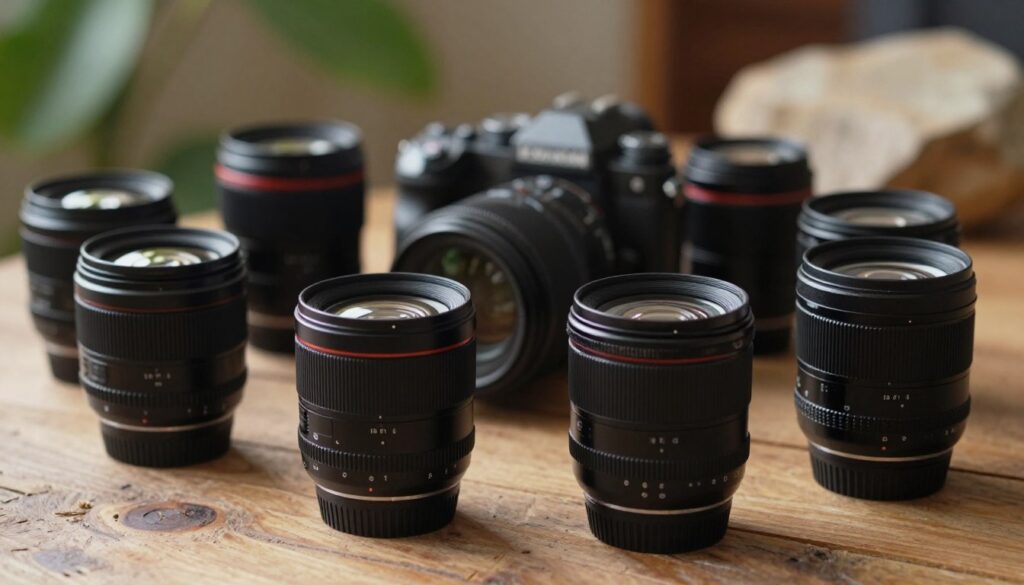
I find that a lightweight lens is essential for long days of shooting, as it reduces fatigue when you carry camera gear.
- Easy handling: A compact lens fits tight spaces and helps me position the camera precisely.
- Balance: On mirrorless bodies, a smaller glass keeps the camera comfortable for hours.
- Durability: I still expect solid build quality so the lens survives outdoor use and travel.
| Factor | Why it Matters | My Recommendation |
|---|---|---|
| Weight | Impacts fatigue on long shoots | Choose lighter versions for all-day work |
| Handling | Controls ease in tight spaces and movement | Prioritize compact design with good grip |
| Build quality | Resists weather and frequent use | Look for weather sealing and metal mount |
Environmental Protection for Outdoor Shooters
Shooting near water taught me to value a lens that can shrug off dew and light rain.
If your work takes you to streams, meadows, or damp forests, pick a lens with Moisture-Resistant Construction. That weather sealing lets you concentrate on composition and subject behavior instead of worrying about droplets on glass.
I often shoot plants at dawn. Dew and light mist are common. A sealed version reduces the chance of trapped moisture and keeps autofocus reliable at close distance.
Built-for-field protection also helps when you need to change distance quickly or work in wind. You can focus on magnification and framing, not on drying or swapping gear.
- I recommend a moisture-resistant lens if you plan on shooting near water or in unpredictable weather.
- Protection from dew and light rain keeps image quality consistent during early-morning plant work.
- Durable construction lets you focus on the subject, not emergency gear care.
| Feature | Benefit | When to Choose |
|---|---|---|
| Moisture-Resistant Construction | Shields the glass from dew, mist, and light rain | Creekside, dew-covered plants, unpredictable weather |
| Weather Sealing (mount & controls) | Prevents dust and water ingress around critical joints | Outdoor travel, windy fields, dusty trails |
| Rugged Barrel Design | Improves shock resistance and handling | Frequent field use and travel |
Comparing Focal Lengths for Different Subjects
Different focal lengths force me to rethink distance, framing, and how I isolate detail. Choosing the right length affects magnification, working distance, and the character of the background blur.
Standard Options for General Close-Up Work
I reach for a 50mm when I want a natural perspective for portraits and tabletop shots. It handles detail well and gives true 1:1 magnification on some versions.
For versatile studio use, a 50mm is easy to compose with and pairs nicely with an f2.8 macro setup for creamy bokeh and crisp subject isolation.
Telephoto Reach for Insects
A 100mm telephoto works best for live subjects. It gives me a comfortable working distance so I don’t spook insects and can light the scene.
Longer lengths preserve fine detail while keeping the camera back, which helps with autofocus and image stabilization on a digital camera or tripod.
Cinema-Grade Performance for Rigged Shoots
I’ve seen the ARRI range deliver superb optical quality across 16mm to 200mm. The 50mm and 100mm versions achieve 1:1 magnification, while the 200mm shines when I need reach for a shot in cinema photography.
Whether you use a film rig or a modern camera, pick the focal length that fits your subject first—then choose a version that matches your workflow and features.
| Focal Length | Best For | Key Advantage |
|---|---|---|
| 50mm | General photography, portraits, product | Natural perspective, 1:1 magnification on some versions |
| 100mm | Insects, distant close-ups | Comfortable working distance, excellent detail |
| 200mm | Cinema long-reach shots | High telephoto reach for separated backgrounds and tight framing |
Conclusion
Selecting gear that matches your shooting style unlocks new detail and creative control.
I believe choosing the right macro lens is a transformative step for any close-up photographer. It will elevate your macro photography and reveal tiny subject detail.
Remember that focal length, aperture, and reliable focus work together to shape the final image. Mastering bokeh and precise focus gives you a clear creative edge.
Pick gear that fits your subject and field conditions. Prioritize build quality and environmental protection so your equipment performs where you shoot most.
With the right choices, your photography will feel more deliberate, and small subjects will become striking, professional results.
FAQ
What is a prime lens and why do I pick one for close-up work?
I choose a fixed focal length because it gives sharper images and simpler optics than a zoom. Fixed lenses often deliver better sharpness and contrast at close focus distances, plus they usually have wider apertures for pleasing background blur when I shoot small subjects or product detail.
How do minimum object distance and reproduction ratio affect my setup?
Minimum object distance tells me how close I can get to a subject and still focus. The reproduction ratio (like 1:1) shows how large the subject will appear on the sensor. Together they determine framing and how much working room I have for lighting and composition.
What is working distance and why does it matter for insects or skittish subjects?
Working distance is the space between the front of the lens and the subject when focused. I need longer working distance to avoid disturbing insects and to fit lights or reflectors. Longer focal lengths can help increase that space while keeping magnification high.
How important is aperture and how does it affect depth of field and bokeh?
Aperture controls depth of field and background separation. I stop down to get more of the subject sharp, but wider apertures give creamier bokeh. Finding the right balance helps isolate details without losing texture or sharpness on the subject.
Do autofocus systems perform well at close distances, or should I use manual focus?
Autofocus can be fast on modern mirrorless cameras, but it sometimes hunts at very close range. I often use autofocus for rough framing, then switch to manual focus for fine adjustments or focus stacking to ensure critical sharpness.
How does focal length choice change the look and practical use for different subjects?
Shorter focal lengths work well for flat subjects, flowers, and table-top work where I can get close. Longer focal lengths give more working distance for insects and small wildlife and compress perspective for head-on detail shots. I pick length based on subject behavior and the space I have.
Is image stabilization important for close-up photography?
Stabilization helps with handheld shooting at lower shutter speeds, but at high magnifications its effectiveness drops. I rely on stabilization for general use, then use a tripod or faster shutter speeds for extreme close-ups to avoid motion blur.
How do I handle focus stacking and when should I use it?
I use focus stacking when a single shot can’t capture enough depth of field at a wide aperture. I take multiple frames at different focus points and merge them in software to get a final image with greater sharpness throughout the subject.
What role does build quality and weather sealing play outdoors?
Solid construction and weather sealing protect gear when I shoot in humid, dusty, or wet conditions. Durability matters for field use, and better seals reduce the risk of damage so I can keep shooting in variable environments.
Can I use extension tubes or close-up adapters instead of a dedicated lens?
Extension tubes and adapters are budget-friendly and increase magnification on regular lenses, but they may reduce light and image quality. I use them for occasional close-ups, but for consistent, high-quality results I prefer a lens designed for true life-size reproduction.
How do weight and handling affect long shooting sessions?
Heavier glass tires me faster and affects stability when I hand-hold for long periods. I favor lighter, well-balanced options for extended shoots, or I use monopods and tripods to reduce fatigue and maintain steady framing.
What aperture settings give the best combination of sharpness and bokeh?
I typically shoot a few stops down from wide open to get good sharpness across the subject while preserving some background separation. Exact settings depend on sensor size and magnification, but testing at f/4–f/8 often gives a useful starting range.
Are there specific focal lengths I should consider for insects versus product work?
For insects and wildlife I lean toward longer focal lengths to keep distance and avoid spooking subjects. For product and tabletop photography, shorter focal lengths work better because I can get closer and control perspective and lighting more easily.
How does sensor size impact effective magnification and field of view?
Smaller sensors crop the image and give narrower field of view, which can make subjects appear larger at the same focal length. I consider sensor size when choosing a lens to match the framing and depth of field I want.
Should I prioritize optical sharpness, working distance, or autofocus when choosing a lens?
I balance those features based on my primary subjects. If I shoot detailed studio work, optical sharpness ranks highest. For fieldwork with live subjects, working distance and reliable autofocus become more important. Choosing depends on how I plan to use the lens most often.

Noah Sterling is a prime lens photographer and visual storyteller dedicated to capturing sharp, intentional imagery through fixed focal lengths. He shares practical insights on composition, depth, and lens choice, helping photographers master simplicity and achieve powerful, professional results.