

I remember saving for months for my first DSLR, picturing dreamy photos that didn’t happen on their own. It took time to learn that a camera alone will not create that soft look. You must master the link between camera, lens, and the distance from your subject.
What I wish I had understood earlier about background blur
When I first tried to get that soft, cinematic background, I honestly thought I was doing something wrong with my camera. I followed settings I saw online, used a low aperture, and still ended up with photos that looked flat. Over time, I realized that getting a good result isn’t about one setting alone, but how aperture, distance, and positioning work together. That shift in mindset changed everything for me.
One mistake I made early on was relying too much on gear instead of understanding the scene. I’ve taken some of my best photos with simple lenses just by adjusting how far my subject was from the background and paying closer attention to light. In real use, small adjustments in positioning often have a bigger impact than changing equipment, and that’s something I wish I had learned sooner.
I stopped chasing perfect settings and started paying attention to how the scene behaves—and that’s when my photos finally improved.
If I can leave one practical tip, it would be this: before changing your camera settings, move your subject and test different distances. Take a few shots, check the result, and adjust step by step. It’s a simple habit, but it builds real understanding and leads to more consistent results without relying on guesswork.
Prime lenses make this easier. They give a shallow depth of field when you use the right aperture and focal length. Changing your distance and choosing the correct mode can turn flat photos into images with beautiful background blur.
I spent months moving from sharp backgrounds to the soft, professional photos I wanted. These tips will help you control light, focus, and aperture so your photos gain that cinematic look. Expect clear steps on focal length, aperture number, and distance that every photographer can use today.
Key Takeaways
- Prime lenses and low aperture values help create smooth background blur.
- Control distance between you and your subject for stronger separation.
- Focus precisely on the subject to keep images sharp while backgrounds soften.
- Adjust focal length and use proper camera mode for consistent results.
- Light and composition matter as much as lens choice for dreamy photos.
The Reality of Achieving Professional Background Blur
My first point-and-shoot refused to make those magazine-worthy soft portraits, and that was a wake-up call. I learned quickly that a camera body alone will not produce creamy backgrounds for every image.
Many beginners feel let down after buying a DSLR and expecting instant results. That disappointment is common, but it hides a useful lesson: optics, distance, and focus control matter more than tech labels.
“I had to learn that the photographer, not the camera, tells the sensor where to look.”
Key reality checks:
- The lens and aperture determine depth of field more than the camera model.
- Isolating your subject requires deliberate focus and positioning.
- Understanding gear limits helps you plan shots that yield consistent photos.
| Myth | Reality | Action |
|---|---|---|
| Expensive camera fixes everything | Lens and technique drive separation | Learn aperture, distance, and focus |
| Auto mode creates magazine looks | Auto often keeps too much in focus | Use manual or aperture-priority |
| One shot works for all scenes | Backgrounds change with distance and light | Adapt lens choice and framing |
Understanding the Science of Depth of Field
A clear grasp of optics made my portraits go from ordinary to cinematic in a few simple steps.
Defining Bokeh
Depth field is the zone in an image that appears acceptably sharp. I teach students that this field changes with aperture, focal length, and subject distance.
When I use my Canon 100mm f2.8 macro, the shallow depth field turns distant tones into a soft wash. My Canon 85mm f1.8 easily isolates a subject from its background. With a Canon 50mm f1.4, the shallow depth makes the rest of the scene melt into pleasing bokeh.
“Depth control is the tool that decides what draws the eye in an image.”
- Try a 17-40mm at f11 for full scene depth and compare it to wide-open primes.
- Notice how image focus shifts as depth changes; that difference creates background blur.
How to Get Blurry Background Using Manual Settings
I switched into manual mode and noticed my images changed almost immediately.
Control the aperture number. Lower the F-stop and the aperture opens wider. That gives a shallow depth field and stronger background blur in a single photo.
I prefer manual mode because it lets me set aperture, shutter, and ISO. Aperture priority is a good middle ground when light shifts. Many cameras in auto pick a higher F-stop and keep too much in focus.
“Selecting a low F-stop forces the lens to isolate the subject and soften the rest.”
- Set the aperture to the lowest number your lens allows for the shallowest depth field.
- In manual, check image focus on the screen and adjust if the subject is soft.
- Use aperture priority if you want depth control while the camera handles exposure.
- Practice changing the number and note how depth and blur react.
| Mode | Aperture | Effect |
|---|---|---|
| Auto | Usually f/5.6–f/11 | More of the scene stays sharp |
| Aperture Priority | Set low (f/1.4–f/2.8) | Shallow depth field, softer backgrounds |
| Manual | Low F-stop plus manual focus | Precise control of image focus and blur |
The Role of Aperture in Your Photography
Aperture is the single control I check first when I want an image with strong subject separation. It sets how much light hits the sensor and directly shapes the depth field in every photo.
Shooting Wide Open
I often shoot wide open at f1.4 or f2.8. That lets the most light into my camera and creates a shallow depth of field that isolates the subject.
Wide-open shooting produces pleasing background blur, but some lenses soften noticeably at their widest number. I test each lens to find the sweet spot for sharpness and mood.
Comparing F-Stops
Shooting at f16 holds almost everything in focus. At f1.4, the image shows strong separation and creamy blur around the subject.
“Choosing a low F-stop tells your camera to favor shallow depth and stronger separation.”
- I use low F-stops for portraits when I want the subject to pop.
- I compare results across F-stops so I know when a lens needs a slight stop-down for sharpness.
- The aperture is the primary tool I set before worrying about shutter or ISO.
Mastering Distance Between You and Your Subject
Moving my feet closer to a sitter changed my portraits more than swapping lenses ever did.
Close subject placement is one of the fastest ways to reduce the depth field in a photo. When I move nearer, the field narrows and the background softens.
Every lens has a minimum focusing distance. If I get too near, the camera struggles with focus and the image can go soft in the wrong way.
I often tell my students that using your feet beats zoom for a more natural shallow depth. In one test, the only change was my distance, and the difference in the background was dramatic.
Simple tips I follow:
- Stay outside the lens minimum focusing distance while moving closer to the subject.
- Use prime lenses and adjust your length by stepping in for better composition.
- Check image focus on the screen and back up slightly if the camera hunts.
| Camera–Subject Distance | Depth Effect | Practical Result |
|---|---|---|
| Far (>10 ft) | Large depth field | Most of the scene is sharp |
| Mid (4–10 ft) | Moderate depth field | Subject isolated, mild blur |
| Close (<4 ft) | Very shallow depth | Blurrier background and strong subject separation |
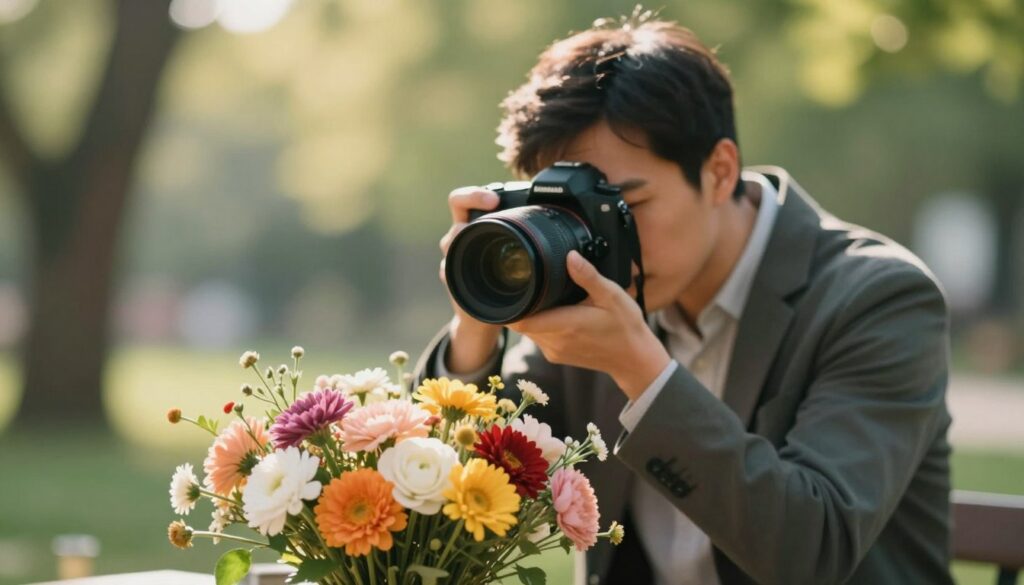
“By mastering distance, I could isolate a subject with greater control than any single aperture change.”
Positioning Your Subject Relative to the Background
Placing my subject several yards from any wall usually makes the scene feel cleaner and more professional.
Creating separation starts with distance. I always try to move my subject as far away from the background as possible. That simple shift narrows the depth field and helps the subject stand out.
When I shoot outdoors, I scout spots where the subject background sits well back. Nature often gives me the space I need for a soft wash of tones behind the subject.
If I work at home, I use a fabric panel or card and place it well behind the sitter. A plain backdrop placed farther away works best for portraits and keeps the focus on the person, not the scene.
Practical tips for cleaner separation
- Move subject away from walls and props to increase distance subject → away background.
- Choose a background with gentle texture or color, but keep it far enough so it won’t distract from the subject.
- If results are weak, move the subject to a new spot where distance from the background is larger.
| Placement | Effect on Depth | Result for Image |
|---|---|---|
| Close to background | Greater depth field | Less subject separation; busy background |
| Moderate distance | Reduced depth field | Subject isolated; mild blur |
| Far from background | Shallow depth field | Blurrier background and strong subject focus |
“By controlling subject placement and distance, I shape what the viewer sees first.”
Utilizing Longer Focal Lengths for Better Bokeh
I often reach for an 85mm or 100mm when I want photos with a creamy falloff and clear subject isolation.
Longer focal length compresses the scene and narrows the focus plane. That makes the background appear more distant and gives a smoother wash behind the subject.
I use a zoom lens and zoom in fully when I can. Even with a modest aperture number, the longer focal makes shallow depth field easier to achieve.
Stand further back from your subject when using longer focal lengths. The added distance preserves composition while increasing the blurrier background effect.
“A longer lens can isolate a person more reliably than a wide-angle, even at the same aperture.”
- I find the background becomes significantly softer with 85–100mm lenses.
- Zoom lenses work well if you push them to a longer focal and mind your distance.
- Beginners should compare a wide lens and a longer focal to feel the depth field difference.
| Focal Range | Practical Effect | When to Use |
|---|---|---|
| 35–50mm | Moderate compression; wider scene | Environmental portraits |
| 85–100mm | Strong compression; blurrier background | Headshots and tight portraits |
| Zoom at long end | Variable control; good isolation | Flexible shoots where primes are unavailable |
Why Prime Lenses Are Perfect for Soft Backgrounds
A simple prime often taught me more about composition than any zoom ever did. Fixed focal lengths focus the mind. They make choices clearer and help you shape a photo with intent.
Benefits of fixed focal lengths
- Primes usually offer a wider aperture. That creates a shallower depth and stronger subject separation.
- They are often sharper and faster than a zoom lens, which helps in low light and improves focus.
- Using a prime forces me to move my feet and get closer to my subject, which improves framing and distance awareness.
Budget-friendly options
I often recommend the 50mm f1.8 as the best entry prime for any photographer. It is affordable and delivers creamy backgrounds with a low number and wide aperture.
For close work, my Canon 100mm f2.8 macro gives an extremely shallow depth and beautiful blur. While I admire longer focal length zooms, my primes still win in low light and in overall image quality.
“A prime lens teaches you composition by asking you to move and decide.”
Selecting the Right Lens for Your Creative Vision
Choosing a lens feels like picking a paintbrush for a portrait; each one shapes the final tone.
I decide based on what I want the photo to say. If I need flexibility, I reach for a zoom lens. If I want a shallow plane and faster glass, I pick a prime.
I consider how the lens will place my subject in the frame and influence the background. That choice changes composition, color separation, and the apparent depth in a scene.
I test gear before a shoot. I compare focus speed, aperture falloff, and the pleasing nature of the blur each lens delivers.
- I match lens length to the style I aim for: longer for tight portraits, shorter for context.
- I switch between prime and zoom when a shoot asks for either speed or framing flexibility.
- I let creative goals guide the camera setup, not the other way around.
“The right lens helps your vision land exactly where you want the viewer to look.”
| Lens Type | Strength | Best For |
|---|---|---|
| Prime (e.g., 50mm f/1.8) | Wide aperture, fast focus | Portraits with strong subject separation |
| Short Tele (85–100mm) | Compression and creamy blur | Tight headshots and flattering portraits |
| Zoom Lens (24–70mm) | Versatile framing | Event work and run-and-gun shoots |
Impact of Camera Sensors on Image Quality
Sensor size plays a quiet but powerful role in the look of a photo. A larger sensor usually narrows the depth field and makes subject separation easier.
Full Frame vs Crop Sensors
My Canon 5D shows a more pronounced background blur than my crop-sensor 70D when I use the same lens and aperture number. That extra softness comes from the larger sensor gathering light and changing the field geometry.
- I tell beginners that a full-frame camera like a Canon 6D helps achieve a professional, creamy look with less effort.
- Crop bodies such as the Canon 700D still produce excellent results when paired with a fast prime and careful focus.
- Sensor size is a key factor in image quality and depth control when planning equipment upgrades.
“Choosing the right body for your lens can speed up your learning curve and lift image quality.”
| Sensor Type | Practical Effect | When to Choose |
|---|---|---|
| Full Frame | Shallower depth, stronger background blur | Portraits and low-light work |
| Crop Sensor | Deeper field, more reach from the same lens | Telephoto needs or budget builds |
| Both | Quality depends on lens length and aperture | Use primes for the shallowest depth |
Avoiding Common Mistakes with Focus
Missing focus on the eyes once ruined a whole session, and I never repeated that mistake.
Eyes first. When I shoot portraits, I lock focus on the subject’s eyes every time. That single move keeps the image sharp where it matters.
It takes time to learn steady technique. Shooting with a very shallow depth means tiny movements can shift focus away from the subject.
I often find beginners let the camera pick a point and lose the intended area. Use a single focus point so the camera locks onto the exact part you want sharp.
“Take your time and confirm image focus before each shot.”
- Double-check settings and the chosen focus point before you press the shutter.
- Use a tripod when you need steady framing and consistent image focus.
- Remember that the right lens choice helps, but precise focus wins every time.
Tips for Choosing Dynamic Backgrounds
I look for scenes where color and texture add life behind my subject. A lively backdrop makes a photo feel intentional and cinematic without stealing the frame.
Seek depth and contrast. When I shoot outside, I move my subject until trees, walls, or light layers create separation. That contrast helps my subject stand out and keeps the scene interesting.
Simple, colorful backdrops often work best for portraits. They add mood and keep attention on the subject rather than on clutter.
If a street feels busy, I place my subject farther from the backdrop so elements stay soft and non-distracting. Small shifts in position change the focus and the final feel of the image.
“A thoughtful backdrop lifts a photo from ordinary to memorable.”
- I scout locations that give texture without stealing focus.
- I move subject around until colors and lines complement the composition.
- I favor clean, simple backdrops when I want a polished, professional look.
- If needed, I step back so the backdrop stays soft and out of focus.
Adjusting Your Technique for Different Lighting
Light shifts every minute, and my settings must follow it closely. I change aperture and shutter speed depending on the light so exposure and depth stay where I want them.
In low light I open the aperture wider. That brings more light in and creates a shallower depth that helps the subject stand out from the background.
At midday, harsh light can crush tones. I often move my subject into the shade for even light and a smoother blur. Shooting during golden hour gives softer color and fewer extremes in contrast, which helps my focus land where it matters.
I check camera settings each time the scene changes. If time or wind shifts the scene, I change the aperture number or the mode and tweak shutter speed. A longer focal length also helps when light is low—its compression makes the background fall away nicely.
“Adjust the length and exposure, then confirm focus before you press the shutter.”
- Adjust aperture number when light changes to hold depth of field.
- Use a longer focal length in low light to isolate your subject and increase blur.
- Move a close subject into shade if sunlight is too harsh.
When to Use Post-Processing for Blur Effects
I treat post-processing as a safety net, not a shortcut. I try for the look in-camera first, and then use editing when a shot needs a subtle lift.
Editing tools let me refine subject background separation when lighting or distance limited the result. They are lifesavers in a pinch, especially for background photos that need a softer falloff.
I aim for natural transitions between the subject and the rest of the frame. That means feathered masks, modest blur strength, and attention to edges so the image still reads as real.
When I edit, I focus on final quality. Small tweaks often improve results without undoing honest work from the shoot.
“Use post-processing to refine, not replace, good technique.”
- I enhance blur when a photo needs it, but I avoid heavy, obvious effects.
- Practicing lens technique first makes editing far easier and faster.
- Final checks for tonal match and sharp edges keep images portfolio-ready.
Joining a Community of Like-Minded Photographers
Joining a local photo group was the single choice that sharpened my eye faster than any tutorial.
Sharing work with peers helped me spot small errors and learn practical tips quickly.
I posted images made in manual mode and asked for honest feedback. Other members pointed out focus issues, suggested different apertures, and offered simple framing ideas I used the next day.
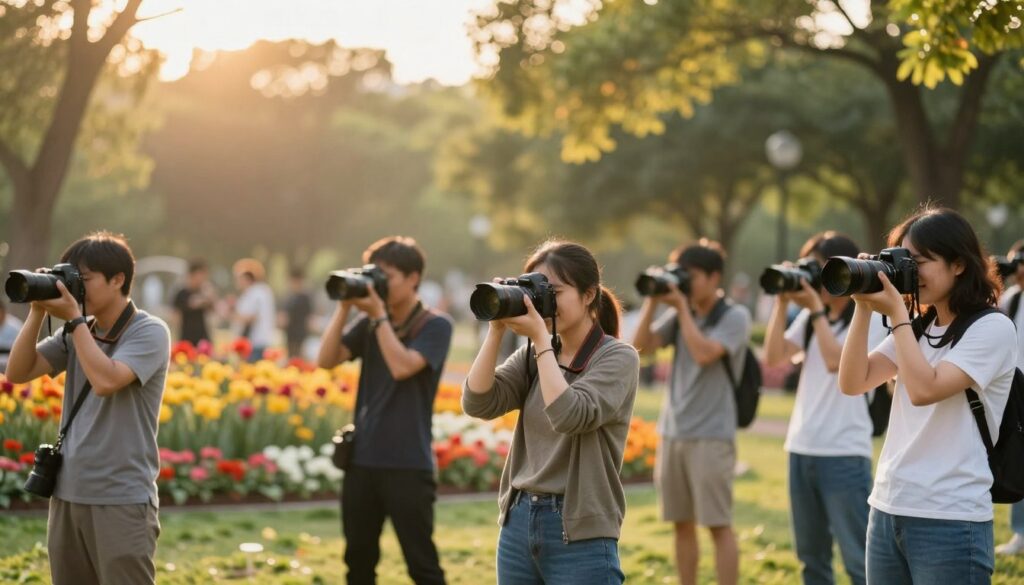
“Seeing other people’s process breathed new energy into my shoots.”
- Find a nearby club, an online forum, or a social group that critiques images kindly.
- Ask specific questions about exposure, focus, and composition so replies are useful.
- Share small successes and struggles; you will learn faster than working alone.
I met experienced photographers who offered gear advice and moral support when a shot annoyed me. Connecting with others kept me curious and growing as a photographer no matter my level.
Conclusion
The moment I treated composition, light, and lens choice as a single system my portraits improved fast.
Practice matters. Control aperture, mind your distance from the subject, and pick the right focal length for cleaner background separation. Small changes stack into strong results.
Experiment with different backgrounds and subtle background blur in varied light. Use a prime when you want predictable blur and a longer focal for smoother tones.
Keep shooting, enjoy the process, and trust that patience and practice will lift your photos and the way your subject and background play together.
FAQ
What camera settings help produce strong bokeh with a prime lens?
I set a wide aperture, pick a longer focal length when possible, and focus closely on my subject. That combination shrinks depth of field and renders the background as soft, pleasing blur.
Why does moving my subject farther from the backdrop make more separation?
I increase subject-to-background distance so out-of-focus areas fall farther outside the plane of focus. The farther the background is, the smoother and less distracting it becomes.
Which focal lengths work best for creamy backgrounds?
I often use 85mm to 135mm for portraits because those medium telephoto ranges compress perspective and magnify background blur. Zooming in with a 70–200mm also gives similar results.
How important is aperture compared with focal length?
I prioritize both: a wide aperture creates shallow depth of field, while a longer focal length increases blur. If I must choose, I open the aperture first and then use focal length to refine the look.
Do full-frame sensors produce better out-of-focus rendering?
Yes. I find full-frame cameras deliver shallower depth of field at the same settings compared with crop sensors, so backgrounds appear smoother and more dimensional.
Can I achieve shallow depth with smaller sensors or kit lenses?
Absolutely. I get good results by getting closer to my subject, using the longest available focal length, and maximizing aperture. Background distance and composition matter most when hardware is limited.
When should I rely on post-processing for blur effects?
I prefer optical blur in-camera, but I use selective blur in Photoshop or Lightroom for fine-tuning edges, boosting subject separation, or rescuing images where shooting conditions prevented natural bokeh.
What common focusing mistakes reduce background softening?
I avoid focusing on the background, using too-small an aperture, and placing the subject too close to the backdrop. Any of those will increase depth of field and reduce the blurrier look I want.
Are prime lenses really better than zooms for soft backgrounds?
Many primes offer wider maximum apertures and simpler optics, which deliver creamier out-of-focus rendering. I still use zooms when flexibility is needed; high-end zooms can perform excellently too.
Which affordable lenses give good bokeh for beginners?
I recommend budget-friendly fast primes like the Canon EF 50mm f/1.8, Nikon 50mm f/1.8, or Sony 50mm f/1.8. They’re lightweight, cheap, and great for learning shallow depth techniques.
How does background texture affect the look of blur?
I look for lights, foliage, or patterns that turn into attractive shapes when out of focus. Busy, high-contrast backgrounds can become distracting if the separation is weak, so I simplify or move the subject.
What lighting tips help emphasize subject and background separation?
I use directional light or rim light to outline the subject and create contrast with the backdrop. Shooting at golden hour or using off-camera flash helps the subject pop while the background stays soft.
How close should I get to my subject for maximum shallow depth?
I move as close as the lens allows while keeping composition and perspective flattering. Shorter subject distance reduces depth of field dramatically and intensifies the out-of-focus effect.
Which camera modes are best when I want a blurrier backdrop quickly?
I use Aperture Priority (Av/A) to control depth of field directly. That lets me open the aperture wide while the camera handles shutter speed for correct exposure.
Can I use zooming technique rather than changing lenses for different looks?
Yes. I adjust focal length to change compression and blur strength; longer focal lengths narrow the field and increase background separation without needing to swap lenses.
How does aperture shape affect the appearance of out-of-focus highlights?
I note that aperture blade count and shape influence bokeh rendition: rounder blades yield smoother highlights, while angular blades can create geometric shapes in specular areas.
Are there composition tricks that enhance perceived depth?
I place the subject off-center, include foreground elements slightly out of focus, and use leading lines. These layers emphasize depth and make the soft background feel more intentional.
What should I check before shooting to avoid poor results?
I confirm focus accuracy, open enough aperture, choose a suitable focal length, and create distance between subject and background. A quick test shot helps catch issues early.
How can I practice improving my shallow depth images?
I experiment with different lenses, apertures, and distances. I also join local photography groups, study work by professionals like Annie Leibovitz and Mitch Colbert, and review images critically.

Noah Sterling is a prime lens photographer and visual storyteller dedicated to capturing sharp, intentional imagery through fixed focal lengths. He shares practical insights on composition, depth, and lens choice, helping photographers master simplicity and achieve powerful, professional results.