I wrote this guide to help you navigate a crowded market when you decide to buy used camera lenses for your professional photography kit. I have spent years refining my process, and I want to share clear steps to make your journey easier.
Finding the right lens takes patience. You can save a lot when you learn how to evaluate the price and check seller trustworthiness.
When limited-time sales like the UsedPhotoPro Mirrorless Madness event end on March 15th, timing matters. My goal is to make your shopping experience seamless so you can confidently choose high-quality options.
Key Takeaways
- I wrote this guide to simplify buying used gear for your kit.
- Learn to judge condition and fair price before you commit.
- Verify seller reputation to protect your investment.
- Act fast on limited-time sales like Mirrorless Madness.
- My tested process aims to improve your buying confidence.
Why Choosing Pre-Owned Gear Makes Sense
Choosing pre-owned gear often gives serious value without sacrificing performance. At Samy’s Camera I’ve seen listings priced about 40% lower than retail, and that gap matters when you want more options for less price.
Over the last few years the market for pre-owned cameras and video equipment grew. That means more models, more mounts, and more chances to find the right match for your photography style.
I prefer buying pre-owned because it improves my field experience. I can test different focal lengths and styles without the full retail commitment. That freedom helped me experiment across digital and film workflows over the years.
Stretching your budget lets you invest savings into accessories like lighting, high-speed cards, or audio gear. In short, selecting high-quality pre-owned items is a smart way to build a flexible kit that supports creative growth.
Understanding Condition Ratings Before You Buy Used Camera Lenses
Before you commit, learn how condition grades map to real-world wear and performance. Clear grading makes it easier to judge value and predict how a piece of gear will behave in the field.
Decoding Mint and Excellent grades:
Mint vs. Excellent
Mint means the item is essentially as new — typically 98–99% of original condition. I trust mint-rated items when I need near-perfect optics for critical shoots.
Excellent usually falls between 85–97%. That range often represents the best balance of price and performance for photography and video work.
Identifying Heavy Wear
Watch the barrel for scuffs and deep marks; heavy wear can hint at rough use. I always inspect for internal dust or fungus — those issues affect both film and digital images.
- Check glass, mount, and focus rings for smooth operation.
- Compare condition notes across platforms to spot inconsistencies.
- Ask for extra photos or a short test video if results look unclear.
| Grade | Percent | When I Prefer It |
|---|---|---|
| Mint | 98–99% | Studio work demanding flawless optics |
| Excellent | 85–97% | Most run-and-gun photography and video |
| Visible Wear | <85% | Backup gear or test pieces |
“A clear condition description is worth more than a low price if you rely on consistent results.”
Essential Inspection Tips for Used Optics
A few targeted checks can tell you more about an optic’s real-world value than any listing blurb. I follow the same routine each time a piece of gear arrives.
Ask for high-resolution photos of the front and rear elements before you commit. Clear images reveal scratches or cleaning marks that descriptions might hide.
When the item reaches me, I inspect the mount closely. I look for tight fit and no wobble when the lens is attached to my camera body.
I always test autofocus speed and accuracy right away. That check shows whether the lens will keep up during photography or video shoots.
For video work, I verify the aperture ring moves smoothly and that blades are clean with no oil. Sticky or oily blades mean costly repairs.
Finally, check the shipping packaging. Adequate padding and solid boxes reduce the risk of impact damage in transit.
- Request close-up element photos.
- Confirm mount fit on your body.
- Run autofocus and aperture tests immediately.
- Inspect shipping protection on arrival.
Evaluating Seller Reputation and Customer Service
A seller’s reputation often tells you more about a purchase than the product photos do.
The Value of Expert Support
I have spent many years working with reputable dealers whose support saved me time when technical issues arose.
When you purchase a used camera or a specific lens, the seller’s service matters as much as the item. Quick, clear answers make a big difference if you need compatibility advice for your cameras or video rig.
I trust sellers who show long histories in photography and list honest notes about condition. Those sellers usually describe wear and operation in detail and offer helpful test images or video on request.
How I vet sellers:
- Read recent customer reviews for service quality and response time.
- Ask targeted questions about compatibility with your body and adapters.
- Prefer dealers who document repairs, parts, and return windows clearly.
“Great service turns a good price into a confident purchase.”
The Importance of Warranty and Return Policies
A dependable return policy gives me the breathing room to verify condition and performance at home.
Benefits of Parts and Labor Coverage
Parts and labor warranties cover repairs that can otherwise cost more than the original product. For example, Samy’s Camera offers a six-month parts-and-labor warranty on select inventory.
This type of coverage matters when a mechanical issue appears after a week or two of use. With service included, I avoid surprise repair bills and downtime during shoots.
Understanding Manufacturer Warranties
Manufacturer warranties often apply to Open Box or nearly-new items. These warranties can complement dealer coverage and extend protection for specific components.
Always confirm whether a product carries a factory warranty before you finalize the sale. That clarity helps me plan long-term maintenance and resale value.
Making the Most of Return Windows
I prioritize sellers that offer at least a 30-day, no-questions return window. Samy’s Camera provides a 30-day policy that lets me test functionality on my bodies and rigs.
When returning an item, keep original packaging and buy proper shipping insurance. Save all paperwork until you are certain you will keep the product.
- A six-month parts and labor warranty gives peace of mind for a higher-risk purchase.
- Verify any manufacturer warranty tied to the product before checkout.
- Use a 30-day return window to test autofocus, aperture, and fit on your cameras.
- Keep receipts and insure returns to avoid loss during transit.
| Policy | Typical Coverage | What I Check |
|---|---|---|
| 6-month parts & labor | Mechanical faults, repairs, parts replacement | Warranty start date, exclusions, service center |
| Manufacturer warranty | Factory defects, limited components | Serial match, Open Box status, transferability |
| 30-day return | Full refund or exchange | Return window, restocking fees, shipping rules |
Navigating Open Box and Demo Equipment
Open Box inventory often delivers like-new operation with the safety net of a factory warranty. I have spent years tracking demo units and Open Box stock, and that experience taught me how much value these finds can offer.
Open Box gear is a fantastic way to get a like-new camera or lens at a lower price. Many listings include a full manufacturer warranty, so you get the new-product experience with less risk.
I’ve found demo items usually show minimal wear because they were used only for short customer demonstrations. That makes them ideal for both film and video shooters who need reliable performance fast.
Always confirm what comes in the box. Some demo units omit manuals or accessories. Ask the seller whether the product includes original caps, pouch, and paperwork before you commit.
Make checking the Open Box section a regular habit. If you need a specific focal length or a particular model, patience and daily checks can save you significant time and money over the long run.
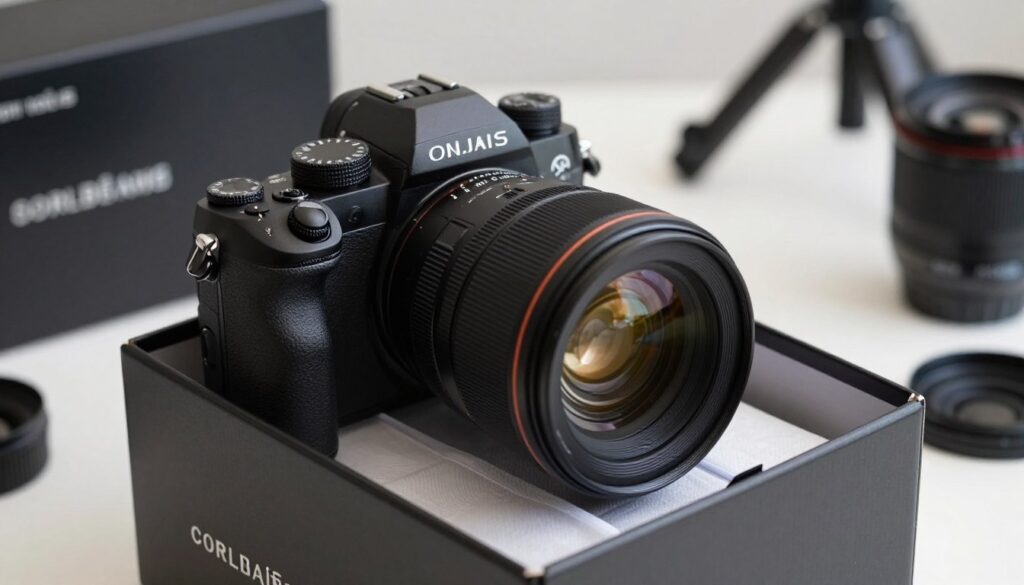
“Open Box deals let you test gear in real shoots without sacrificing warranty protection.”
- Look for factory warranty on demo and Open Box items.
- Verify included accessories and serial numbers.
- Check condition photos closely and ask for test shots if needed.
Financial Considerations and Payment Security
Financing can turn a steep upfront cost into a manageable plan that fits your monthly budget. I often split the full price into predictable payments to protect my cash flow.
I have used Affirm to spread payments when I upgraded a specific model. With Affirm I paid in installments and kept my emergency fund intact. That approach improved my gear-buying experience without extra stress.
Always confirm the site supports secure payments before you complete checkout. Look for clear encryption, verified checkout badges, and a responsive customer service line if you need plan details.
If questions arise about your Affirm plan, contact the retailer’s support team. Ask about how the financing affects the warranty and what happens to the product or item if a payment dispute occurs.
“Using a trusted payment method helped me upgrade gear with confidence and clear terms.”
- Tip: Keep records of your payment schedule and receipts.
- Tip: Verify return and warranty rules before you sign.
| Payment Method | Security | Best For |
|---|---|---|
| Affirm | Encrypted checkout, lender disclosures | Smaller monthly budgets |
| Credit Card | Fraud protection, chargebacks | Short-term financing with rewards |
| PayPal / Digital Wallet | Two-factor options, dispute tools | Fast checkout, buyer protection |
| Bank Transfer | Lower protection, trackable | Large one-time purchases |
Protecting Your Privacy During Online Transactions
I keep my privacy first when I shop online. A clear, transparent privacy policy is the easiest sign a site respects your data.
I always verify the site uses encrypted connections. That protects my personal details during the entire checkout and price negotiation process.
Never share passwords or sensitive financial information with anyone claiming to represent a retailer. Scammers use urgency to trick you into revealing account access.
By guarding my privacy, I can focus on finding the best deal and a smooth shopping experience without worrying about identity theft or fraud.
Before I proceed, I review the account and privacy settings on the seller’s site. I limit profile fields to what is necessary and opt out of marketing where possible.
“A simple privacy check can save you hours of work and protect your financial life.”
- Check the privacy policy and data retention rules.
- Confirm SSL/HTTPS and secure payment badges.
- Restrict shared profile details and monitor statements after purchase.
Conclusion
In closing, a few simple habits will keep your purchases reliable and stress-free. ,
I’ve found that picking high-quality, pre-owned prime gear is a smart way to expand my kit without overspending. I always favor sellers who show clear condition notes, solid warranty terms, and a fair return policy.
When an item arrives, I test every function right away — focus, aperture, and mount fit — so I can address issues within the return window. I also use secure financing options like Affirm and watch my privacy settings during checkout.
Ultimately, the best equipment is what you use. Find a reliable source, test thoroughly, and get back to making images that matter.
FAQ
What should I look for in the condition rating when shopping for a prime lens?
I check the seller’s grading carefully. “Mint” means the optic looks and functions like new, while “Excellent” may show tiny cosmetic marks that don’t affect image quality. I also read the detailed condition notes and sample photos to confirm glass clarity, aperture operation, and autofocus performance before I commit.
How can I inspect a lens remotely to avoid surprises?
I ask the seller for high-resolution photos of the front and rear elements, the mount, and any weather-seals. I request a short video showing focus breathing, aperture blades moving, and an infinity-to-close focus sweep. I also look for dust, fungus, or haze by viewing the images through strong light or asking for test shots at different apertures.
What questions should I ask about a lens’s service history?
I always ask if the optic ever underwent repair, which parts were replaced, and whether OEM parts were used. I inquire about when it last had maintenance, whether firmware updates were applied, and if the seller can provide invoices or service records to confirm the work.
How important is the seller’s reputation when buying pre-owned gear?
Reputation matters a lot. I prefer dealers with verified reviews, clear return policies, and responsive customer service. Established retailers and trusted marketplaces typically provide better buyer protection and are more likely to stand behind warranties or offer technical support.
What warranty options should I look for on a pre-owned lens?
I seek listings that include parts-and-labor coverage for at least 30 days, with the option to extend. If a manufacturer warranty still applies, that’s a bonus. Always confirm what the warranty covers—optical issues, mechanical failures, electronic faults—and any exclusions.
Is it safe to purchase open-box or demo equipment?
Yes, when I verify the item’s condition and the seller’s return window. Open-box gear often shows minimal wear from in-store demos and can save money. I ensure the package contains all original accessories and that the demo unit passed a functionality check before shipping.
What payment methods reduce my risk during a transaction?
I use secure payment channels like credit cards or trusted online payment services that offer fraud protection and dispute resolution. I avoid direct bank transfers unless dealing with a verified dealer, and I keep transaction records and receipts until the return window closes.
How do I protect my personal information when buying photography gear online?
I limit the data I share to what’s necessary for purchase and delivery. I use strong, unique passwords for accounts, enable two-factor authentication, and check that the seller uses HTTPS on checkout pages. When possible, I opt for businesses with clear privacy policies and minimal data retention.
What should I do if the lens I receive doesn’t match the listing description?
I document the discrepancies with photos and videos, contact the seller immediately, and request a return or repair. If the seller is unresponsive, I open a dispute with the payment provider and share all communication and evidence to support my claim.
Are there extra costs I should factor in beyond the listed price?
I account for shipping, insurance, any taxes or import duties, and potential service fees if I want an independent check. If I plan to have the optic calibrated or cleaned professionally, I budget for those costs too.
Can I rely on sample photos in listings to judge image quality?
Sample photos help, but I treat them cautiously. I ask for unedited RAW files or straight-out-of-camera JPEGs taken at multiple apertures and focal lengths to spot issues like decentering, soft corners, or flare that might not show in optimized images.
How long should I keep warranty and purchase records?
I retain receipts, warranty documents, and correspondence for at least the warranty period plus a year. These records help with returns, future resale, or service claims and protect my investment over time.
Is it worth paying extra for seller-provided testing or certification?
Often yes. I value listings that include documented testing or a technician’s certification because that reduces uncertainty. The small premium can save me time and risk compared with relying solely on photos and descriptions.
How do manufacturer warranties apply to older optics or third-party lenses?
Manufacturer coverage varies. For older lenses, factory warranty may have expired; for third-party brands like Sigma or Tamron, some models still carry limited new-equipment warranties transferable only in certain cases. I confirm eligibility directly with the maker before assuming coverage.
What return window is reasonable for online purchases of optical gear?
I look for at least a 14-day return window, with 30 days preferred. That gives me time to inspect, test on my body, and try a few shoots. Clear instructions on return shipping and refund timelines are also important.

Noah Sterling is a prime lens photographer and visual storyteller dedicated to capturing sharp, intentional imagery through fixed focal lengths. He shares practical insights on composition, depth, and lens choice, helping photographers master simplicity and achieve powerful, professional results.